Be yourself; Everyone else is already taken.
— Oscar Wilde.
This is the first post on my new blog. I’m just getting this new blog going, so stay tuned for more. Subscribe below to get notified when I post new updates.
Be yourself; Everyone else is already taken.
— Oscar Wilde.
This is the first post on my new blog. I’m just getting this new blog going, so stay tuned for more. Subscribe below to get notified when I post new updates.
Chapter Four is all about the grid and framework of a project. It talks about being aware and intentional with space. Not only looking at positive space, but also utilizing negative space as a strength as well. You must take dimensions, shape, orientation, and proportion into consideration. The chapter stresses heavily on the different kinds of grids to set up a piece. Keeping in mind ideas like the basic square and numerous or single columns are important to think about when designing something. Improvisational structures was probably the most insightful part of the chapter for me because it opened my mind to ideas I was not totally aware of. Setting up a paper can be like architecture and you must create a good balance, flow, and relationships between the different parts to your page.
Chapter Five discusses syntax, which basically touches on the form and space that define letters. When putting letters next to each other it is important to look at spacing and what compliments each other letters’ shapes. Putting together a sentence by combining letter sequences are very important in structure and must be configured deliberately. Where letters begin and end in columns and how they play with the spacing of a margin is also very key to keep in mind. I found the most interesting part of the chapter about punctuation because it is not something I think of when I type. Punctuation are typically small and seem insignificant next to the lettering of words; however, they can play an equally important roll in the design of a sentence or article.
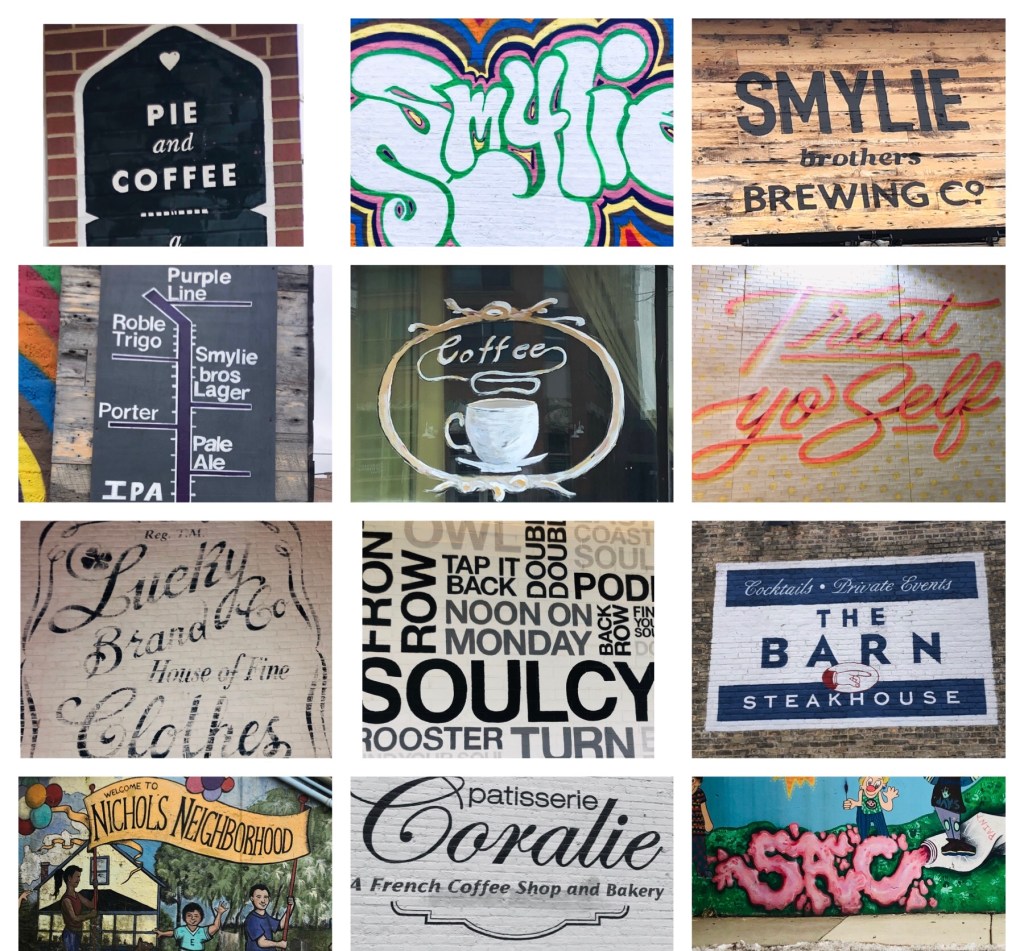
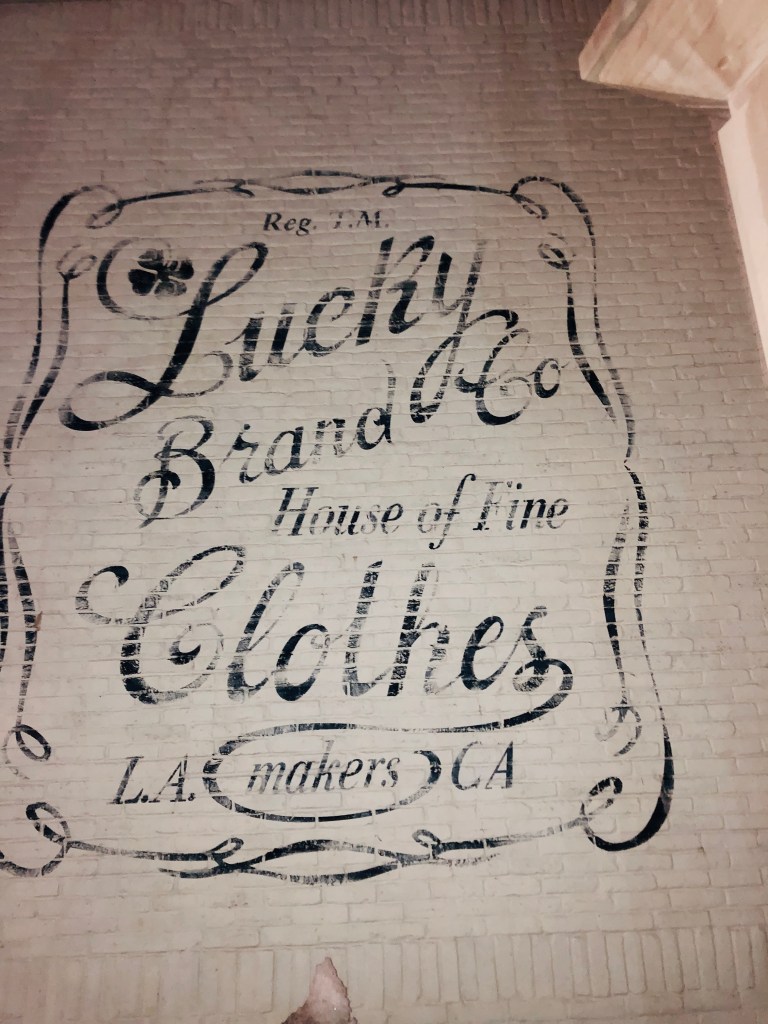

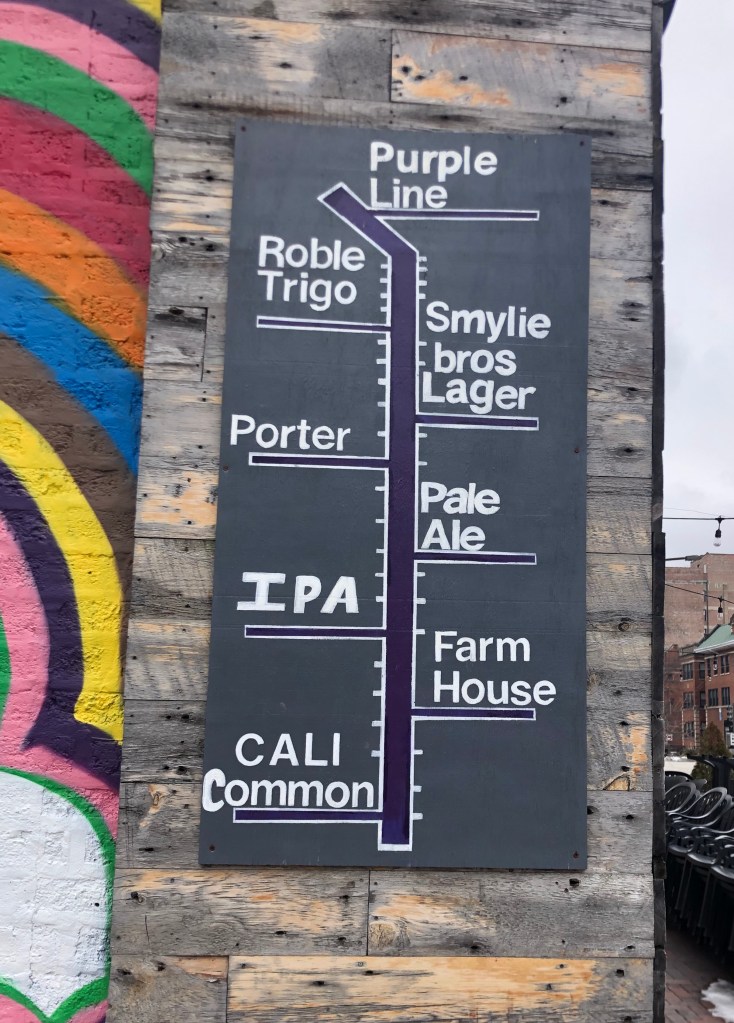
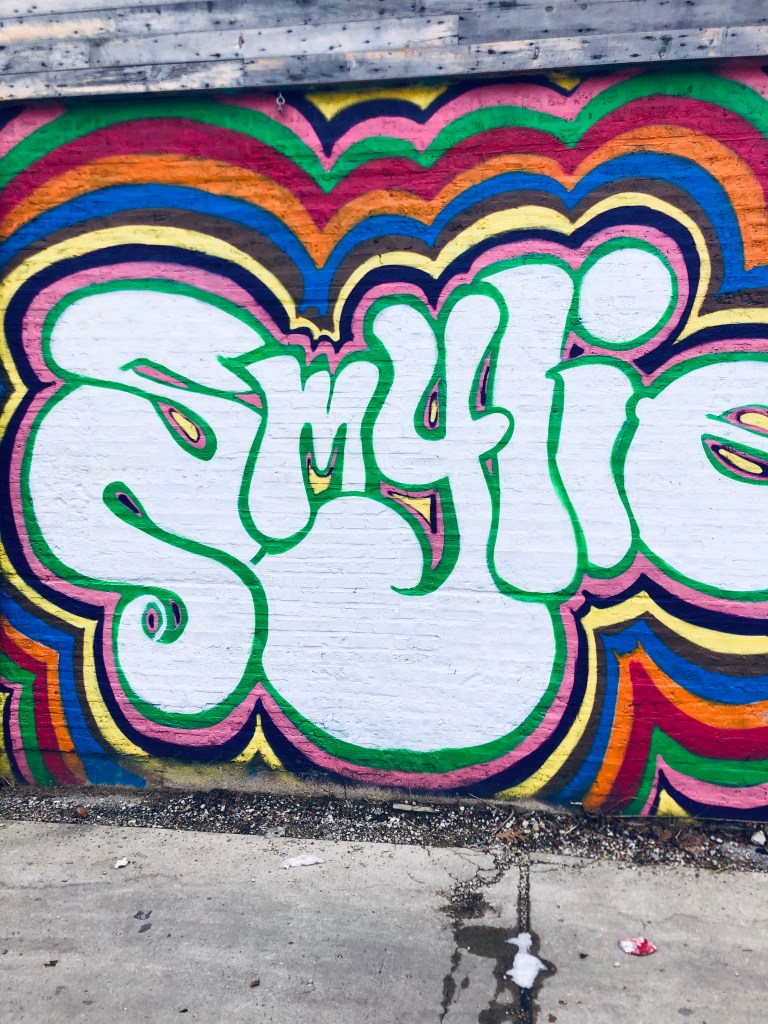

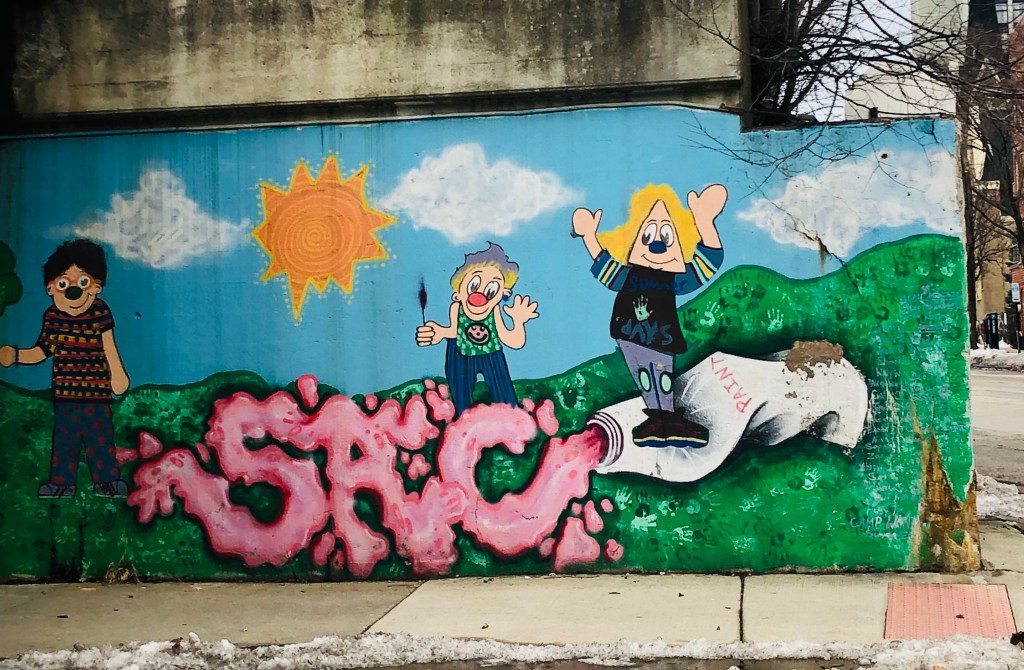
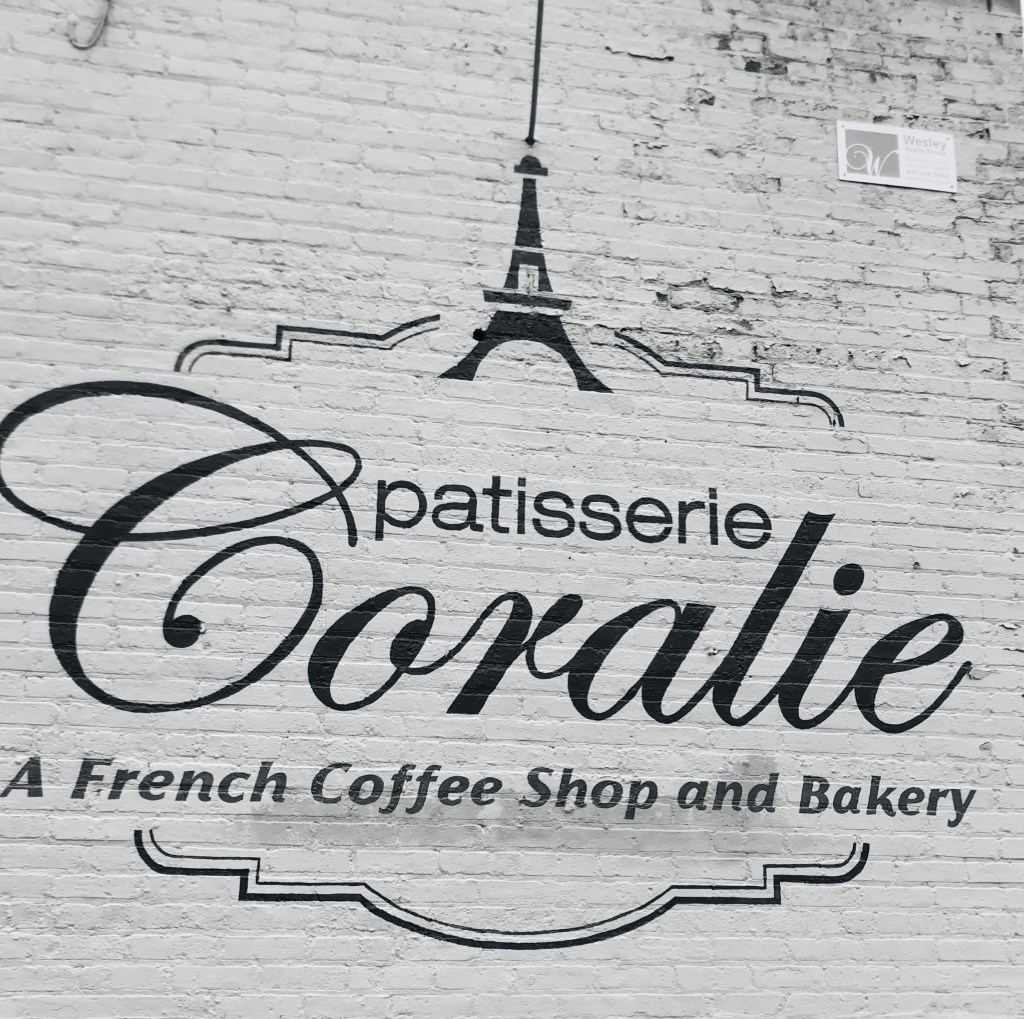
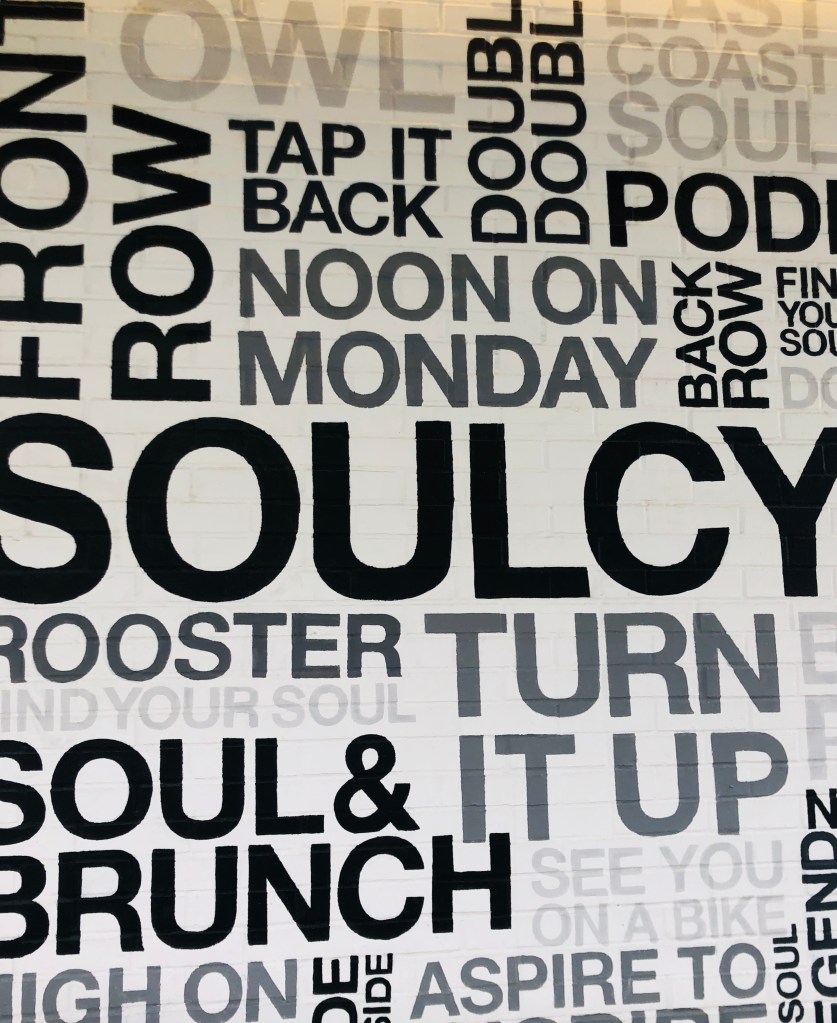
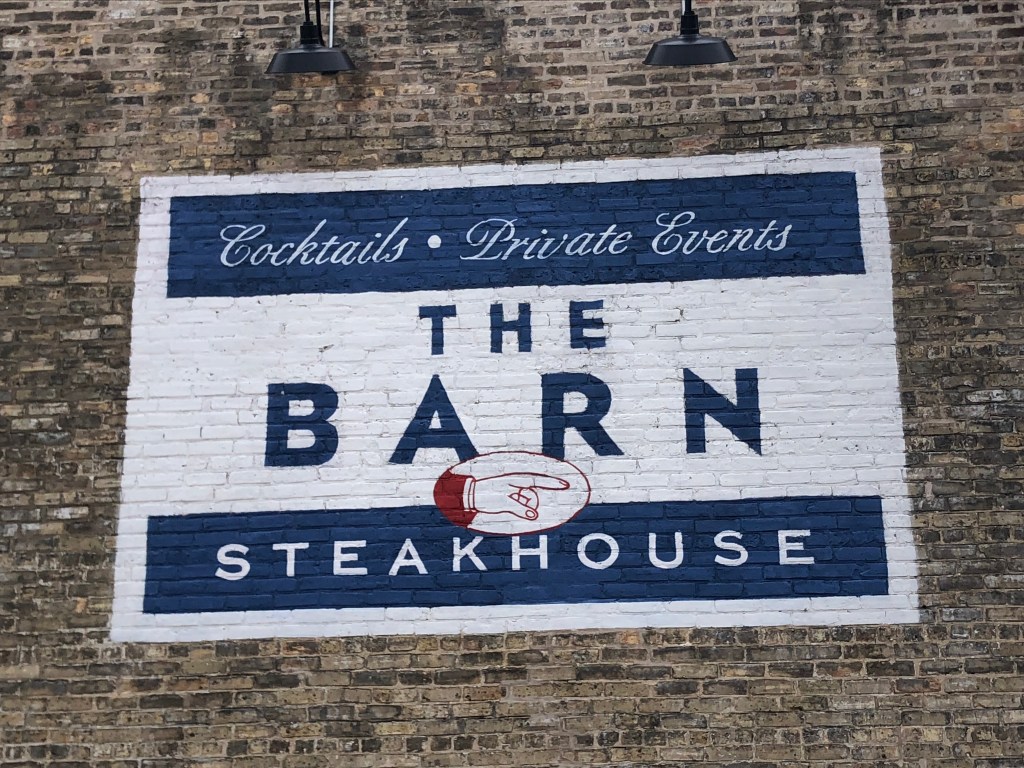
These are all pictures from walking around my town with my friends. I never realized how much hand printed type there is out in the world. I chose these images in particular because I felt they each had a unique element to it. Some have a very business professional emblem where as others take a more whimsical approach.

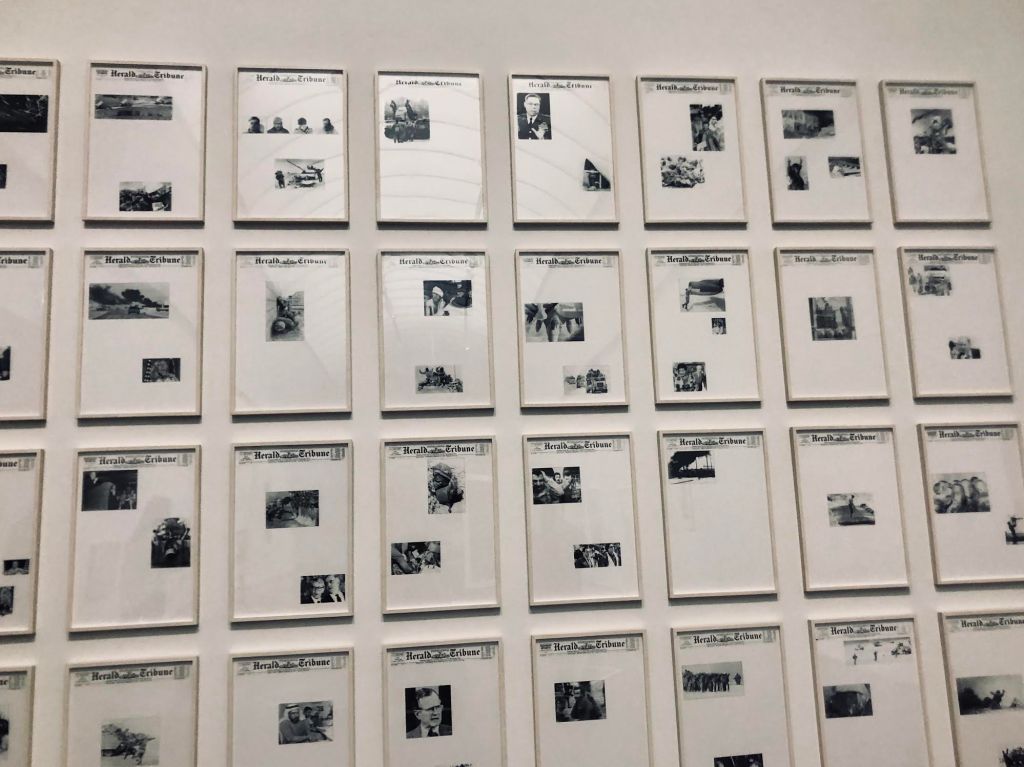
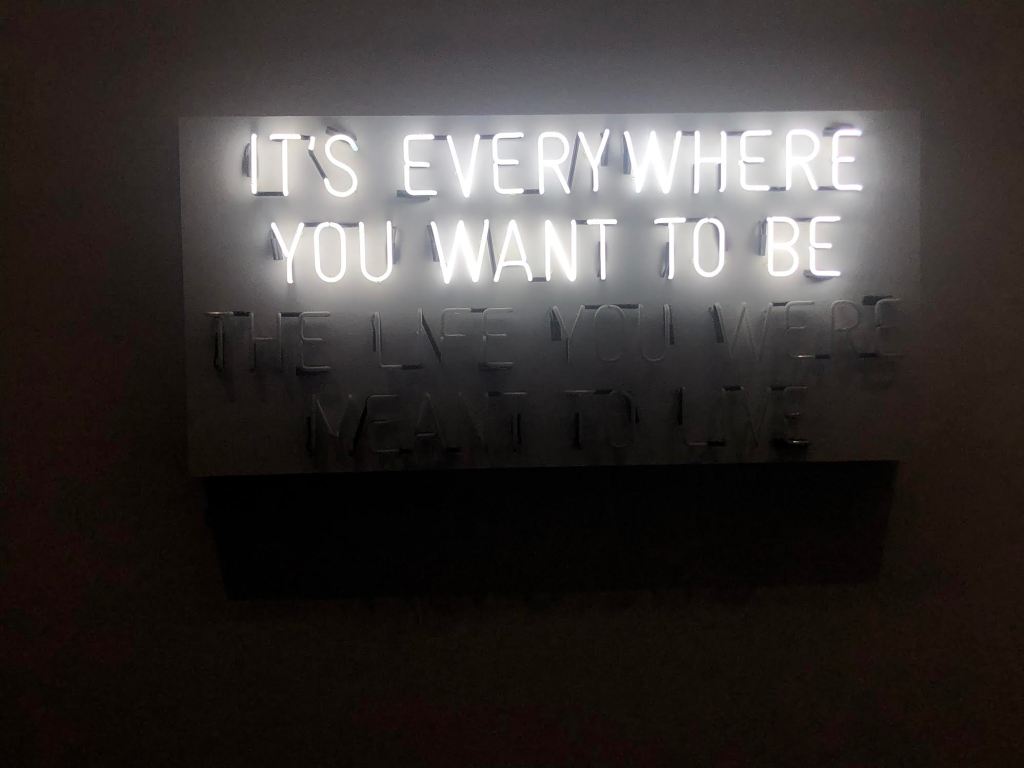
I found these three pieces particularly interesting at the museum because it make me think about typography in a different way. Type can be more than just black and white inc on a page in a book or magazine, it can be artistic. I found myself to be drawn towards the different light installations, especially ones that played around with movement. I also really liked how some artists not only use the type as a design element, but the lack of type as well. Looking at the negative spaces in articles can be just as fascinating.
This is an example post, originally published as part of Blogging University. Enroll in one of our ten programs, and start your blog right.
You’re going to publish a post today. Don’t worry about how your blog looks. Don’t worry if you haven’t given it a name yet, or you’re feeling overwhelmed. Just click the “New Post” button, and tell us why you’re here.
Why do this?
The post can be short or long, a personal intro to your life or a bloggy mission statement, a manifesto for the future or a simple outline of your the types of things you hope to publish.
To help you get started, here are a few questions:
You’re not locked into any of this; one of the wonderful things about blogs is how they constantly evolve as we learn, grow, and interact with one another — but it’s good to know where and why you started, and articulating your goals may just give you a few other post ideas.
Can’t think how to get started? Just write the first thing that pops into your head. Anne Lamott, author of a book on writing we love, says that you need to give yourself permission to write a “crappy first draft”. Anne makes a great point — just start writing, and worry about editing it later.
When you’re ready to publish, give your post three to five tags that describe your blog’s focus — writing, photography, fiction, parenting, food, cars, movies, sports, whatever. These tags will help others who care about your topics find you in the Reader. Make sure one of the tags is “zerotohero,” so other new bloggers can find you, too.

 Site Title